They’re the two most-requested cuts in our shops, and the two most often mixed up. Here’s what each one actually is, how they grow out, and which one to ask for.
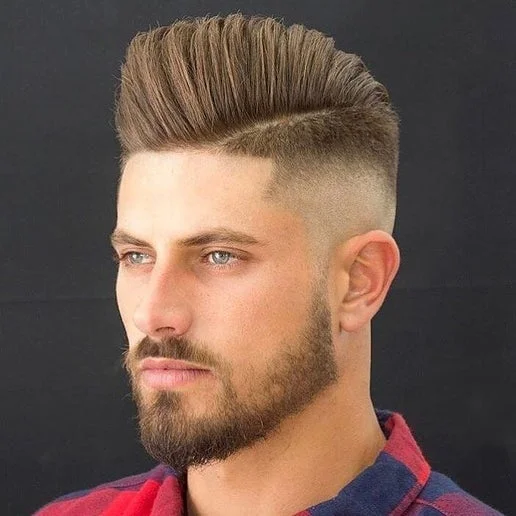
Ask five people what a taper is and you’ll get five answers. Ask what a skin fade is and most will point at a photo. The confusion is understandable — a taper and a fade use the same tools and the same blending technique, and one is technically a version of the other. But they give you a very different look, they grow out differently, and they suit different people. This is the short, clear version.
What is a taper?
A taper is hair that gets gradually shorter as it goes down — usually just around the ears and at the neckline. The rest of the side stays at one length. It is subtle: from the front you may not notice it at all, but the edges are clean and the shape is sharp. A taper never goes all the way to skin unless you ask for it, and it can be done on almost any length of hair on top, from a buzz to a full head of longer hair.
Think of a taper as the tidy, classic option. It is what most “regular haircuts” have around the edges whether or not anyone calls it a taper.
What is a fade?
A fade is a taper that runs higher up the head and gets more dramatic. Instead of shortening only around the ears and neck, the hair on the sides and back goes from very short at the bottom to longer at the top in one continuous blend. Where that blend starts is what gives fades their names:
- Low fade — the blend starts just above the ears. Subtle, close to a taper.
- Mid fade — starts around the temples. The most popular middle ground.
- High fade — starts near the top of the sides, so most of the side is very short. Bold and high-contrast.
Any of those can end at a short clipper length, or at skin — which is the next thing.
What makes it a skin fade?
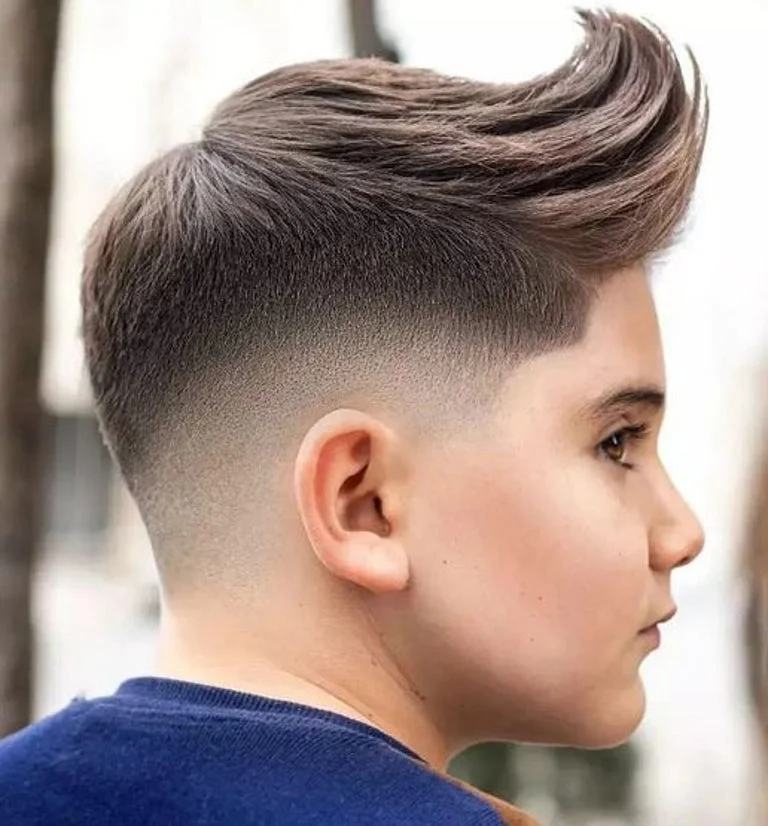
A skin fade (also called a bald fade or zero fade) is a fade where the shortest part is taken down to bare skin, usually with a foil shaver or a straight razor, and then blended upwards so there is no visible line. It is the cleanest, sharpest version of a fade and the one that shows up most in photos — the contrast between skin and hair is what makes it pop.
At Uppercuts the Elite Skin Fade starts with a consultation on where you want the fade to sit (high, mid or low), then clipper work, scissor detailing on top if needed, an optional line-up, styling, and an optional hot towel to finish.
Side by side
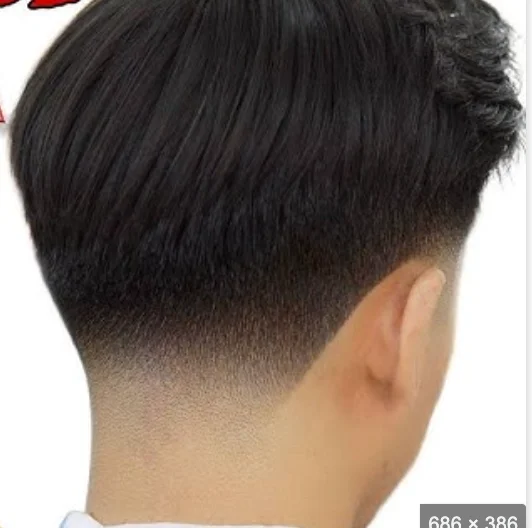
- How much hair comes off the sides: Taper — a little, around the edges. Skin fade — a lot; the lower sides go to skin.
- Contrast: Taper — soft and natural. Skin fade — high; the sharp change is the point.
- Works with: Taper — almost every length and style on top, including longer hair and classic side parts. Skin fade — short-to-medium tops: textured crops, quiffs, pompadours, curly tops, buzz cuts.
- Grow-out: Taper — stays tidy for 4–6 weeks. Skin fade — looks its best for 2–3 weeks, then the skin section grows in and the contrast softens.
- Time in the chair: At Uppercuts the Skin Fade is $32 and about 30 minutes; the Taper Fade is $36 and about 35 minutes. (Kids 12 and under: Skin Fade $28, Taper Fade $29.)
- Office-friendly: Both, but a taper or low skin fade reads more conservative than a high skin fade.
Related serviceElite Adult Haircut – Skin Fade$32 · about 30 min · high, mid or low — your choice at the consultation. All three shops.See the service →
Which one should you get?
Go for a taper if…
- You want a clean cut that nobody will describe as “a fade” — sharp edges, natural sides.
- You wear your hair longer on top, or you’re growing it out and want the sides tidy while you do.
- You would rather come in every 5–6 weeks than every 3.
- It is a first proper haircut, or a first visit to a new barber. A taper can always be taken shorter next time.
Go for a skin fade if…
- You want the sharpest possible look and don’t mind the maintenance.
- Your style on top is short or textured — the contrast does the work for you.
- You have thick or dense hair on the sides that puffs out; skin on the lower sides keeps the shape tight.
- You like a crisp line-up at the hairline — the two go together.
The middle ground
A low skin fade or a taper fade (a taper that is blended to skin only at the very bottom, around the ears and neckline) gives you the clean, faded-to-skin edges without stripping the whole side. That is the cut a lot of people mean when they say “not too short on the sides but I want it faded.” Our Elite Taper Fade is exactly that.
Head shape matters more than face shape here. A high skin fade shows off the shape of the head — great if it is round and even, less forgiving if there are flat spots or bumps. If you are not sure, start with a mid fade and go higher next time.
How each one grows out
This is the part nobody mentions when they show you a photo. A taper grows out gracefully: after four or five weeks it just looks like a slightly fuller version of the same haircut. A skin fade has a shorter window. Around week three the shaved section has grown in enough that the “skin” part disappears, and by week four or five the fade looks like a low clipper cut with a fuzzy band. Still fine — just not what you walked out with.
Two ways to stretch it: book a line-up ($15, 10–15 minutes) between full cuts to keep the hairline and neckline crisp, and ask your barber to leave the top slightly longer so the fade has more room to grow before the proportions go off.
What to say at the chair
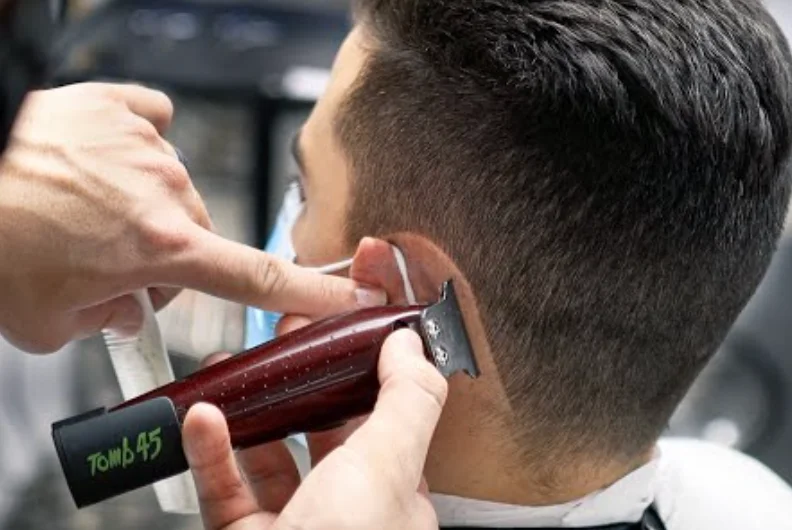
You don’t need the vocabulary — describing the two parts of the cut separately gets you there.
- For a taper: “Taper the sides and back, keep the sides at about a number 3 (or 4), and clean up around the ears and neck.” Add how much you want off the top.
- For a skin fade: “Skin fade — mid (or low, or high) — blended into a number 2 on the sides, and leave the top long enough to style.” If you want the hairline sharpened, say “with a line-up.”
- For the middle: “Taper fade — skin at the bottom around the ears and neck, but keep the sides longer up top.”
- Bring a photo either way. One photo of someone with hair like yours beats any amount of explaining. We wrote a whole guide on this: how to show your barber the haircut you want.
Quick answers
Is a taper fade the same as a taper?
Close, but no. A taper shortens the edges; a taper fade takes those edges down to skin and blends them, so it is a little sharper. Both leave the upper sides with length.
Which is better for thick hair?
Usually a fade. Thick hair on the sides tends to puff out as it grows; a fade keeps that under control for longer. A taper works for thick hair too, but ask for the sides to be taken a touch shorter than you think.
Which is better for thin or receding hair?
A taper or a low fade. A high skin fade removes a lot of hair from the sides and can draw attention to a thinning top. A low fade or taper keeps the sides fuller and the proportions balanced.
Can kids get a skin fade?
Yes — the kids menu has both a Skin Fade and a Taper Fade for ages 12 and under. For a first or second haircut we usually suggest a taper; fades take a bit longer in the chair.
How often should I get a skin fade?
Every 2–3 weeks for the sharpest look, or every 4 weeks with a line-up in between. A taper can go 4–6 weeks.
Taper or fade — we’ll sort it at the chair
Every Elite haircut starts with a consultation, so if you’re still not sure, tell the barber what you like and don’t like and let them recommend. Open 8:00am – 9:00pm, 7 days a week in Maple Ridge, Walnut Grove and Willowbrook.
 Style & TrendsBest Haircuts for Teen Boys Right Now
 Style & TrendsHow to Show Your Barber the Haircut You Want